
Blackcurrant

Ribes nigrum L. – Grossulariceae
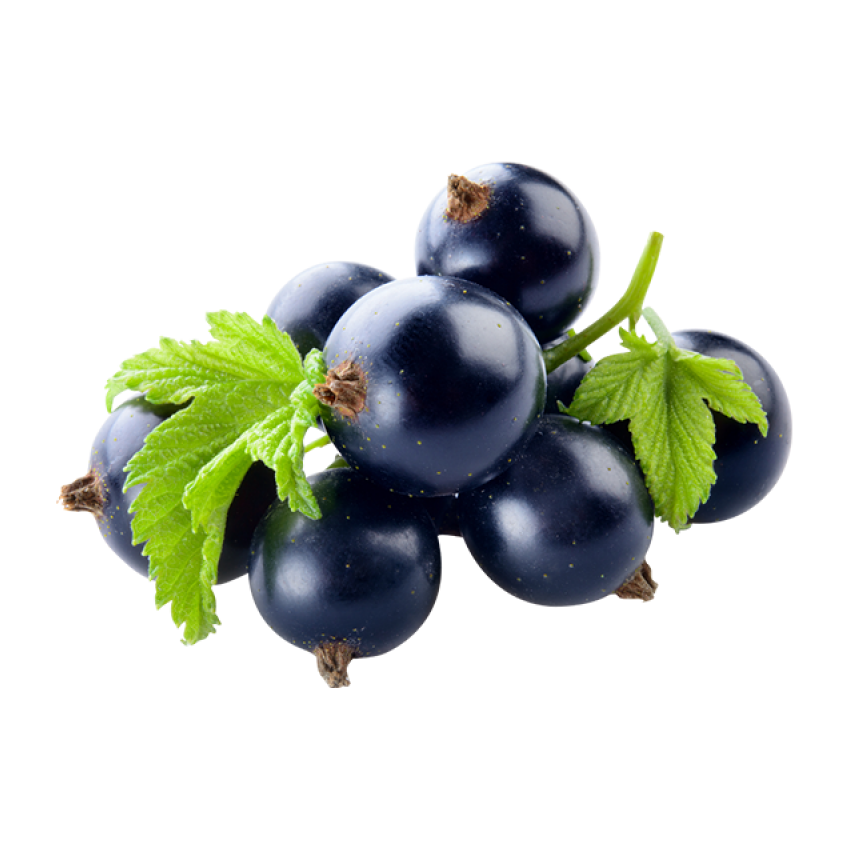
Blackcurrant, a small, perennial shrub native to central Europe and northern Asia, is cultivated worldwide, including the United States. There is growing interest in incorporating berries, especially blackcurrants, into the human diet, mainly due to the health benefits associated with their consumption. Blackcurrant juice has been used for various inflammatory conditions such as fever and sore throat, as well as for “calculous diseases” (formation of mineral stones in organs such as kidney and gallstones) and edema.
In addition to its high content of delicious juice, blackcurrant is a valuable source of bioactive compounds such as vitamin C, potassium, calcium, polyphenols, which act as antioxidants, with the potential to protect against disorders such as cardiovascular events, neoplastic, neurodegenerative and eye diseases, nephrolithiasis, and diabetic neuropathy. Secondary phytochemicals in blackcurrants include alpha-linolenic acid, beta-pinene, citric acid, fructose, linoleic acid, and sucrose. Blackcurrants are also high in pectin.
Studies have shown potent anti-inflammatory, antioxidant, and antimicrobial effects of blackcurrant constituents. The properties of blackcurrant are attributed to its biochemical constituents, some of which include anthocyanins (particularly delphinidin-3-O-glucoside, delphinidin-3-O-rutinoside, cyanidin-3-O-glucoside, and cyanidin-3-O-rutinoside), flavonols, and phenolic acids. Numerous studies have been published on its various therapeutic applications. Anthocyanins are a class of pigment compounds responsible for the deep purple, blue, and red colors of foods such as berries, pomegranates (Punica granatum, Lythraceae), and eggplants (Solanum melongena, Solanaceae).
In human health, anthocyanins have high antioxidant activity, scavenging free radicals and preventing cellular oxidation. Anthocyanins have been shown in vitro to inhibit the production of inflammatory cytokines and nitric oxide, which has a positive impact on inflammatory conditions, including asthma, cardiovascular disease, diabetes, obesity, and pain management. Other compounds in black currants, such as stilbenes, ellagitannins, and phenolic acids, may act synergistically with anthocyanins, which have low bioavailability and tend to degrade rapidly when exposed to heat or oxygen.

In young, healthy subjects, supplementation with blackcurrant extract did not affect serum triglyceride levels but significantly reduced total cholesterol levels. Anthocyanins, such as those in blackcurrant, also inhibit cholesterol absorption from the intestinal tract. High levels of LDL cholesterol are associated with an increased risk of atherosclerosis. This has been further investigated in animal studies, where supplementation with blackcurrant extract has been associated with improvements in dyslipidemia and diabetes mellitus (hypoglycemic effect).
Metabolic syndrome is a combination of conditions including glucose intolerance, insulin resistance, and hypertension, which lead to an increased risk of heart disease and type 2 diabetes. These risk factors can be mitigated by consuming blackcurrant products. Anthocyanins in blackcurrant have been shown to regulate inflammatory factors associated with obesity, another risk factor for metabolic syndrome.
Patients with asthma, a chronic condition characterized by airway inflammation, may also benefit from blackcurrant supplementation. Blackcurrant juice and extract have been shown to reduce inflammatory cytokines in human lung cells.
In animal studies, anthocyanins from blackcurrant juice have been shown to cross the blood-retinal barrier; combined with the observation that blackcurrant flavonoids have the ability to protect retinal cells, this suggests that blackcurrant products may be useful in the treatment of some ophthalmic diseases.
In industry, blackcurrant fruits are considered important; however, other anatomical parts such as buds and leaves are also excellent sources of phenolic compounds. Leaf and bud extracts are relevant as raw materials for the food and health industries, making blackcurrant a lucrative product for use as a functional food ingredient. Previous studies have investigated the content of various polyphenolic fractions in the fruit and, to a lesser extent, in parts of the plant such as the buds and leaves.
Many of the constituents of blackcurrant show antimicrobial activity, and blackcurrant leaf has been studied as an ingredient in a toothpaste to prevent enamel erosion. In vitro, a combination product (which also included oregano [Origanum vulgare, Lamiaceae]) was comparable to a fluoridated mouthwash. Blackcurrant may also improve dental health by neutralizing the cytotoxic effects of nicotine on oral epithelial cells. Blackcurrant extract, as an ingredient in a combination product that also included extracts of Asian ginseng (Panax ginseng, Araliaceae), caper (Capparis spinosa, Capparaceae), and olive (Olea europaea, Oleaceae), has shown antiallergic effects in patients sensitive to common airborne allergens due to its anti-inflammatory activity.